Penobscot Nation x Posit
Overview
The River Is Our Relative — A story about culture, community, and the power of open-source technology.
The Penobscot River has sustained the Penobscot people for generations—as a source of food, transportation, culture, and spiritual connection. But decades of pollution have threatened the river and the traditions connected to it.
In partnership with the Penobscot Nation, Posit set out to tell the story of the people working to protect the river—and how open-source data tools are helping support that work.
The Solution
Let the river lead the story
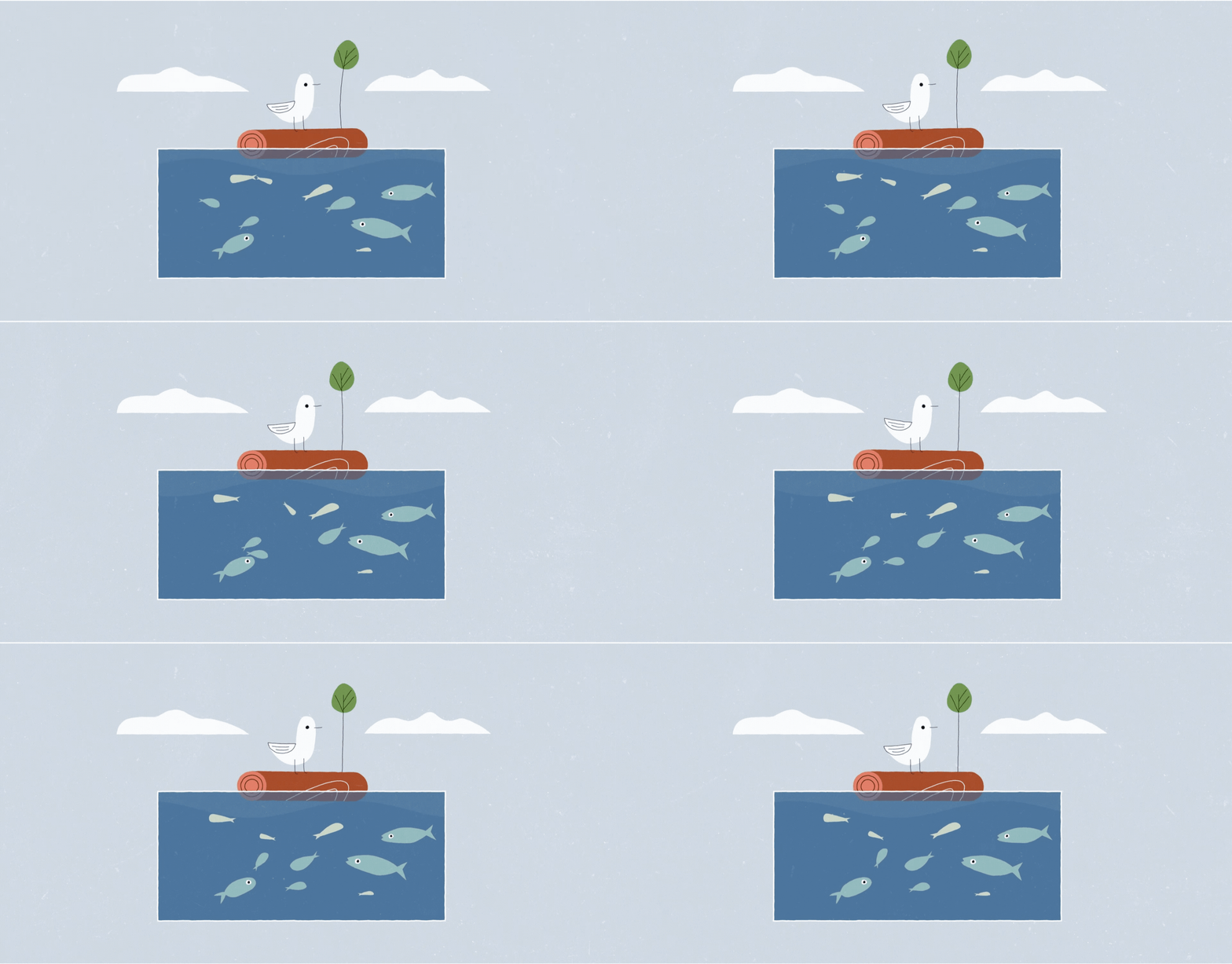
We created a visual narrative inspired by the river's continuous flow, using it as a thread to connect people, culture, nature, and data.
A hand-drawn illustration and motion system brought warmth and humanity to the story, while environmental data was integrated naturally into the same visual world. Rather than positioning technology as the hero, Posit’s tools became an invisible support system—transforming data into knowledge that helps protect the river for future generations.
The Challenge
Connecting culture, conservation, and technology
The Penobscot River is more than a natural resource—it is deeply connected to the Penobscot Nation’s culture, history, and way of life.
The challenge was to tell this deeply human story while introducing the role of Posit’s open-source technology in supporting water-quality research. The film needed to communicate complex environmental issues without allowing technology to overshadow the people, traditions, and river at the heart of the story.
Narrative
A human story before a technology story.
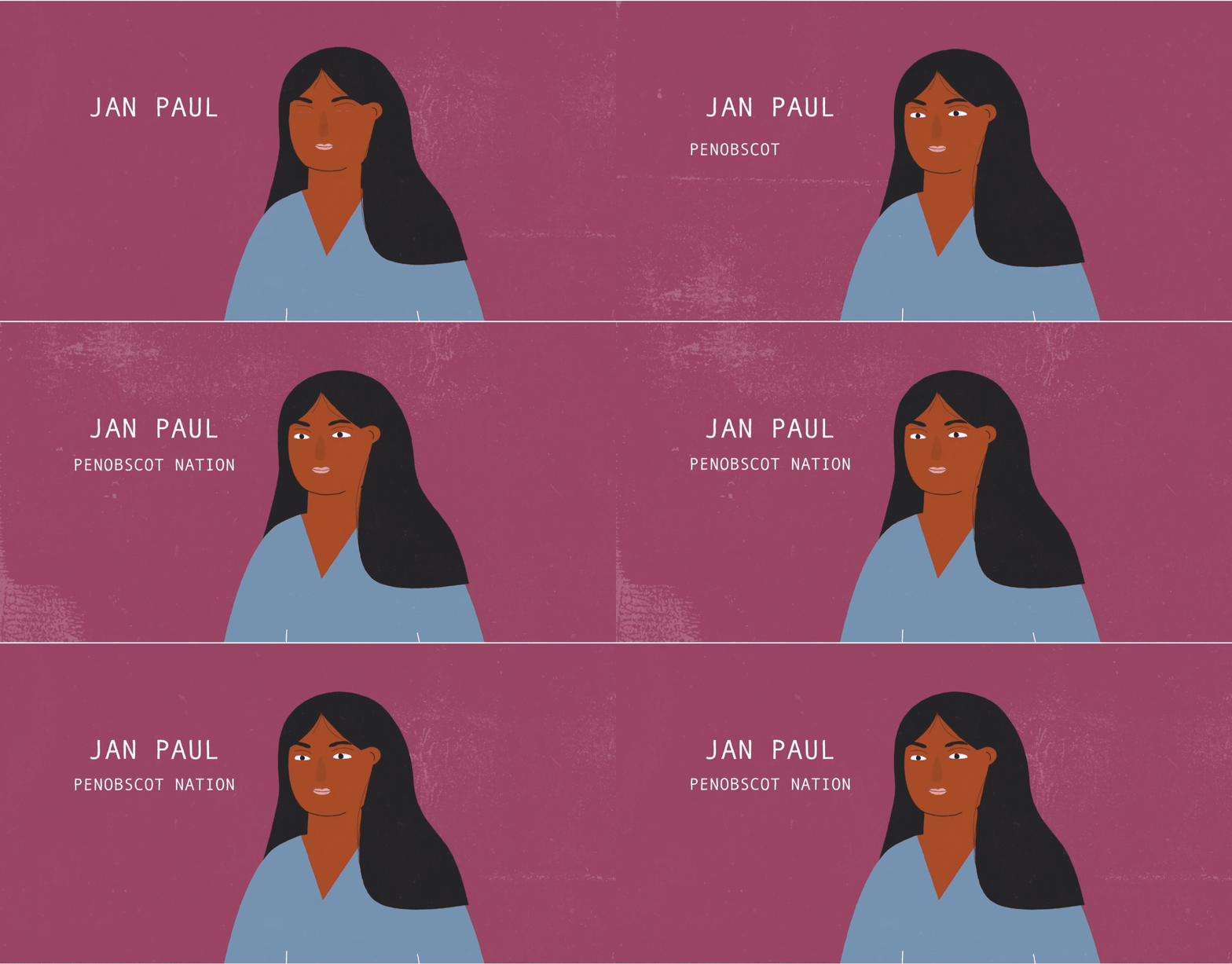
The narrative is grounded in the voice and experience of Jan Paul, a Water Quality Field Technician, whose work connects environmental monitoring to the broader effort to protect the Penobscot River. Her story takes us through the river's history, its importance to the Penobscot people, the environmental challenges it faces, and the work underway to restore it.
Posit enters the narrative through that work—helping Jan and her team analyze, visualize, and communicate water-quality data. The technology supports the story rather than becoming the story.
Discover the Penobscot Nation DNR’s work to see how it protects resources and supports the community.
Art Direction
Making data feel human—the visual direction needed to balance a serious environmental story with warmth, optimism, and a sense of possibility.
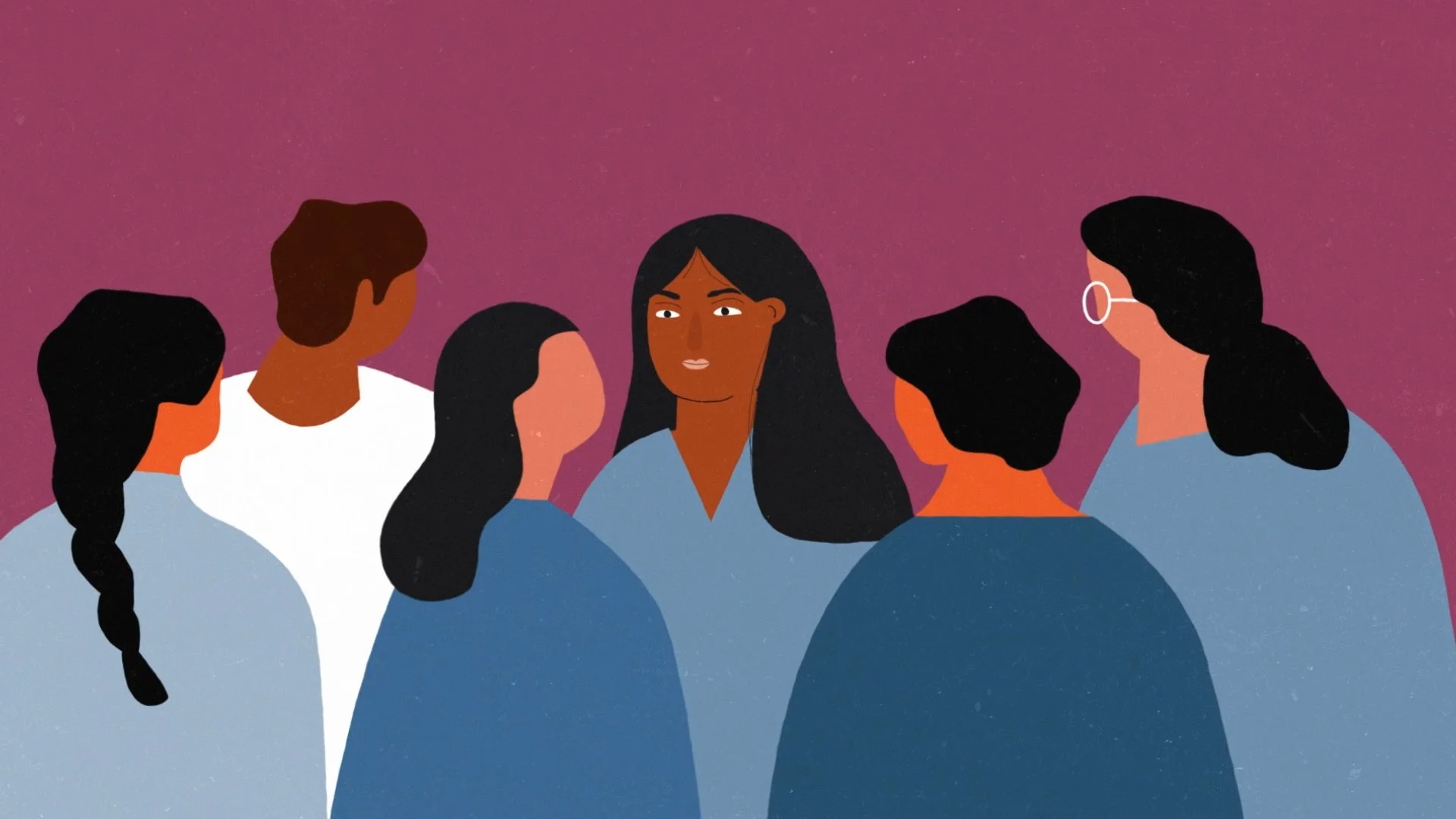
I developed an illustration system combining hand-drawn characters, organic textures, expressive landscapes, and fluid motion to give the film a tactile, human quality. Rather than creating a polished technological aesthetic, we intentionally embraced imperfection. Textured shapes, hand-drawn details, and frame-by-frame movement allowed the visuals to feel connected to people and the natural environment.
The result is an uplifting visual world built around three ideas:
Nature. Community. Connection.
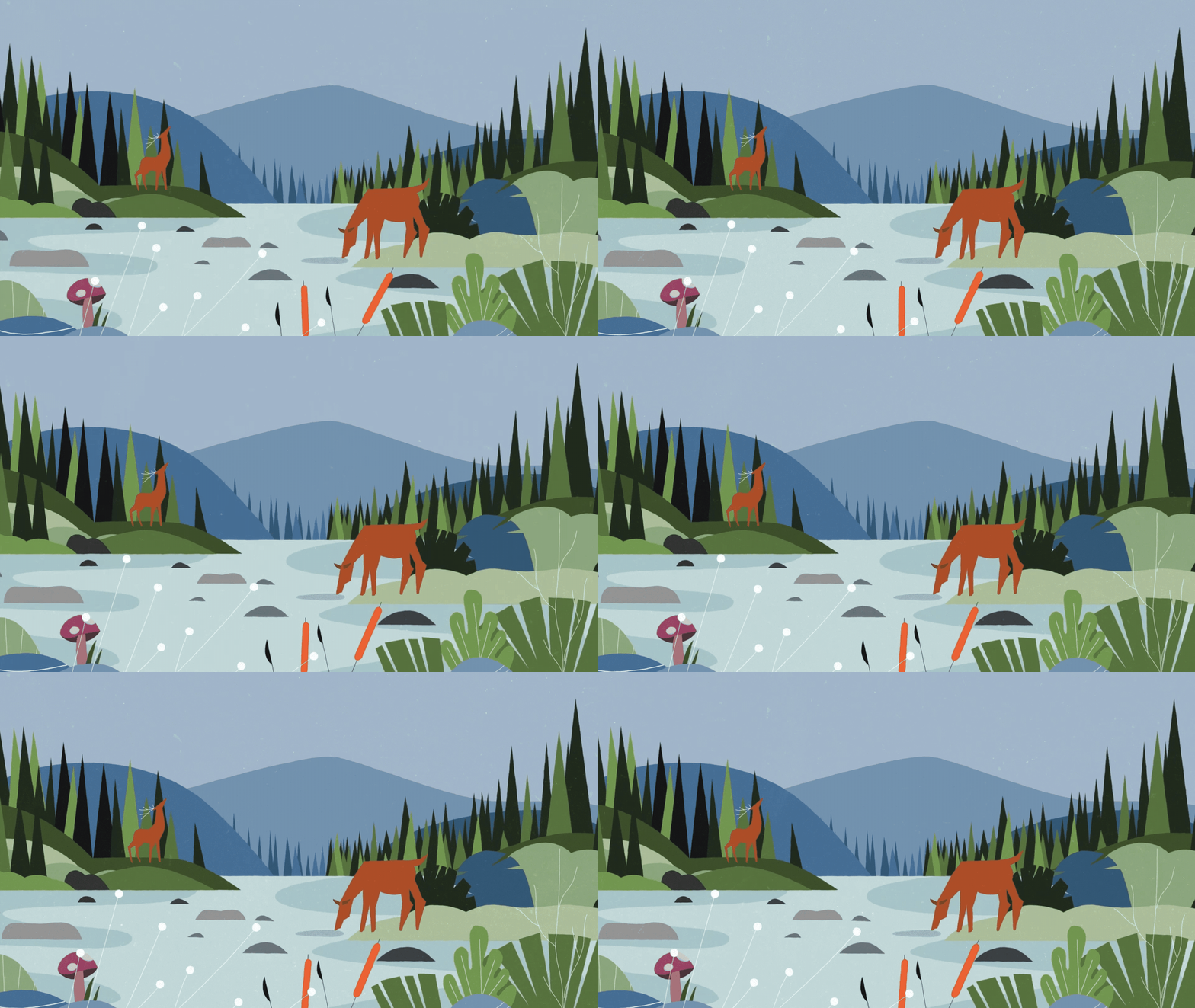
Characters + Environment
Building a world around the river.
Characters were designed with simplified forms and expressive gestures, allowing emotion and storytelling to remain clear throughout the animation.
Natural environments became equally important characters.
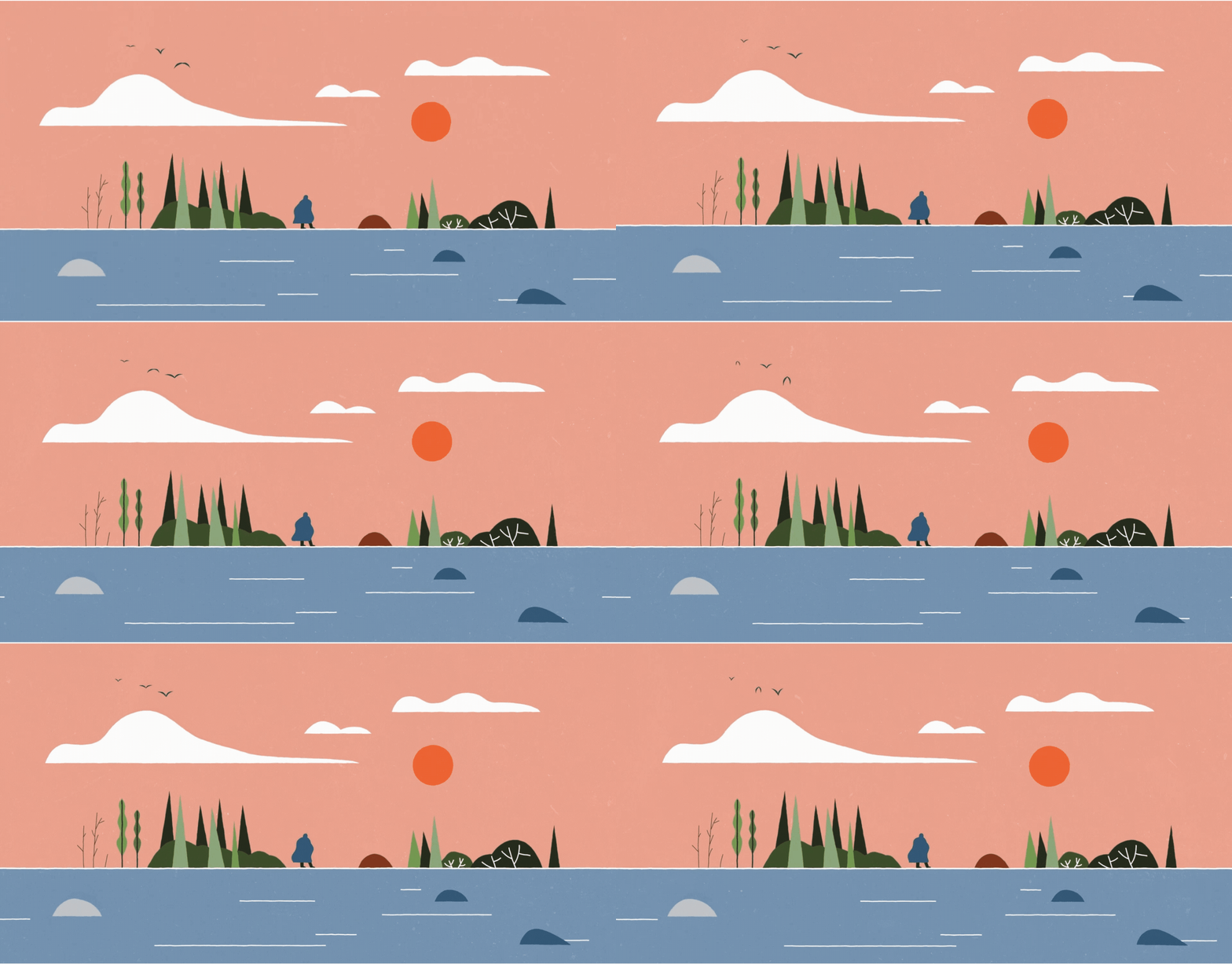
Fish, wildlife, trees, water, and the surrounding landscape help communicate the scale of the ecosystem supported by the Penobscot River—and what is at stake when that ecosystem is threatened.
Texture and movement bring those environments to life while maintaining a consistent visual language across the film.
Visualizing Data
Connecting open source to the natural world.
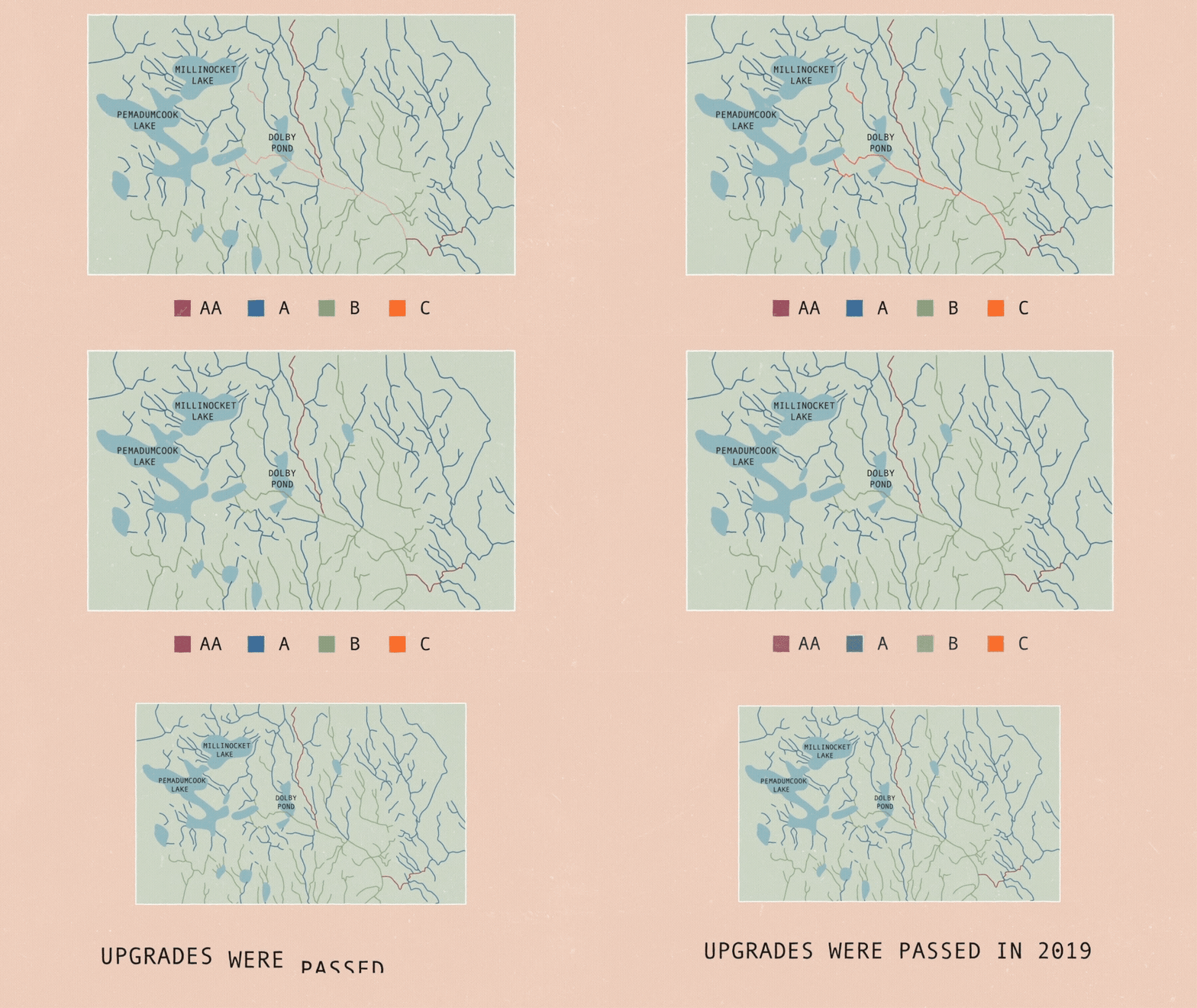
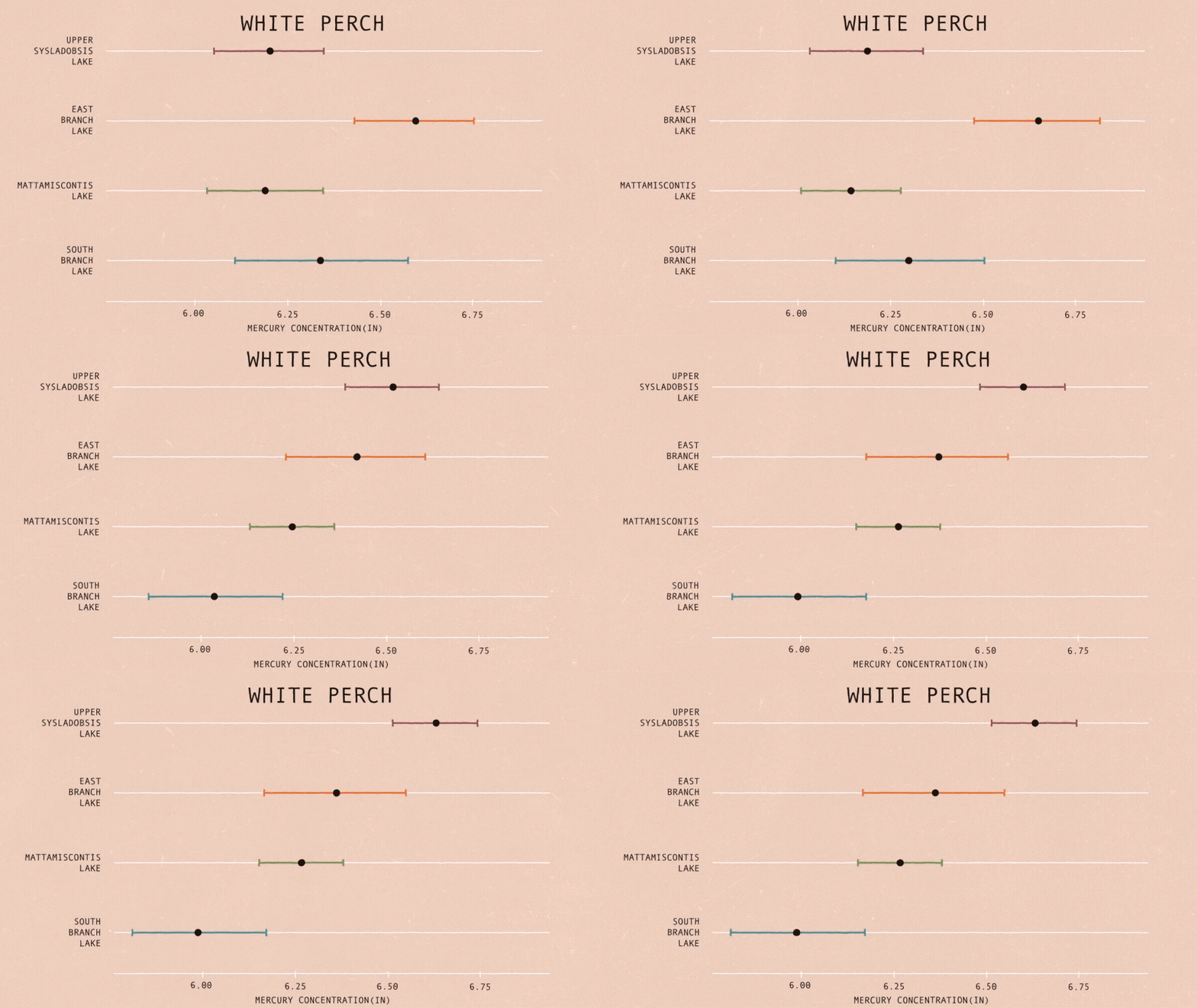
One of the key creative challenges was introducing data without interrupting the emotional narrative. Instead of switching into a conventional technology visualization, data was integrated into the same illustrated world.
Water-quality information, environmental patterns, and open-source tools become extensions of the river itself—creating a visual connection between observation → data → understanding → action.
This allowed Posit’s role to feel meaningful without overpowering the people and community at the center of the story.
Storyboards + Motion
Designing one continuous journey.
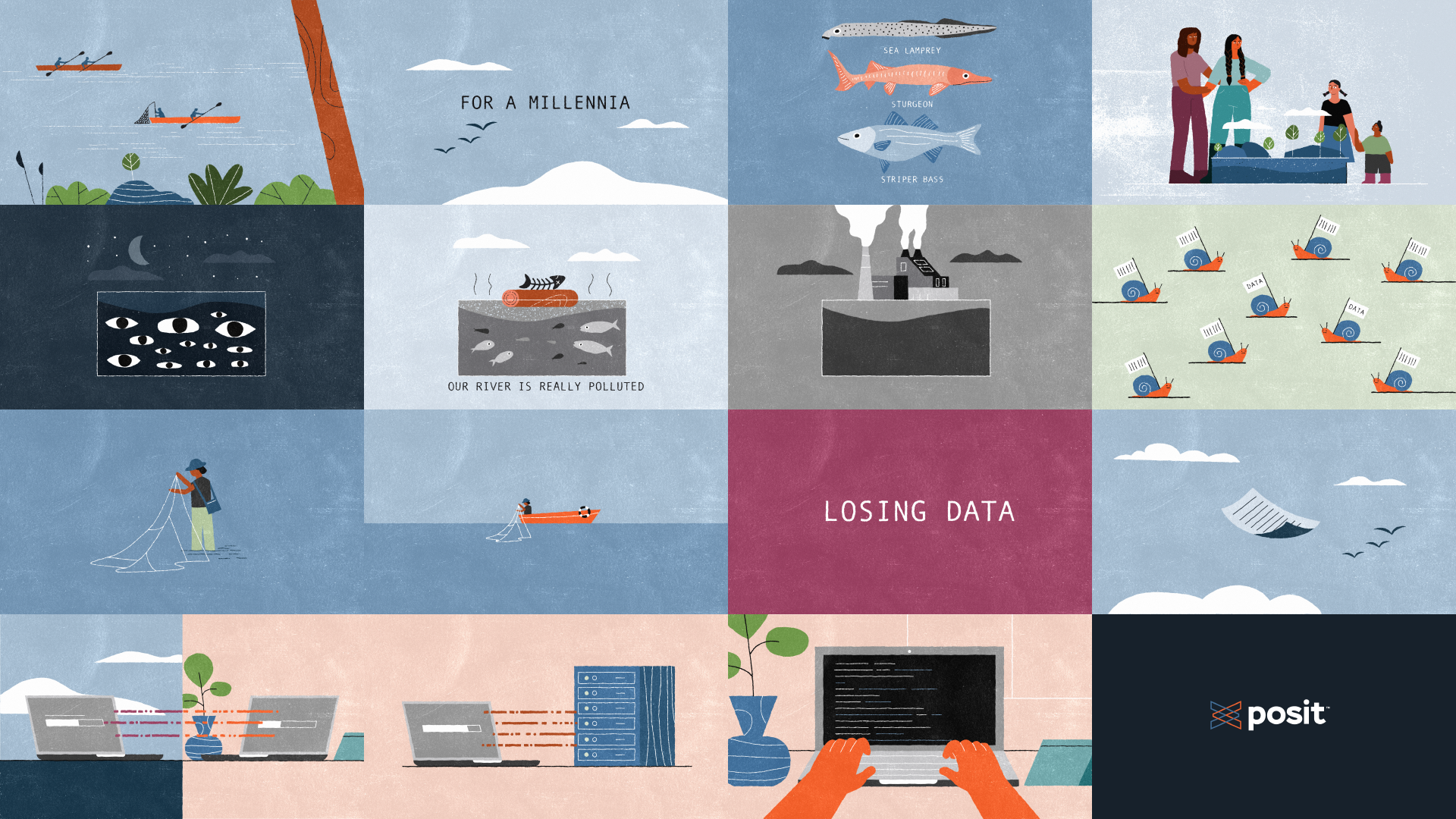
Storyboards established the film's rhythm before animation began, mapping out how the narrative could move seamlessly among history, culture, nature, environmental challenges, and technology. Transitions were designed around recurring visual elements—particularly water, organic forms, and flowing movement.
The motion system enhanced the illustrations' handmade quality through subtle imperfections, frame-by-frame animation, and layered textures. Rather than feeling like individual scenes stitched together, the film becomes one evolving visual journey along the river.
The Film—The River Is Our Relative
The final four-minute animated film brings together personal storytelling, illustration, environmental data, and open-source technology to celebrate the people working to protect the Penobscot River.
At its heart, the film isn't about software.
It's about how technology can support people who are protecting something much bigger than technology itself.
The film premiered at Posit Conf 2023 in Chicago.
“The People of the Penobscot have always believed that this river was our lifeblood. In honor of our Ancestors and for the protection of future generations, we must continue the efforts to restore the sacredness of the river.”
— Butch Phillips, Tribal Elder, Penobscot Nation